


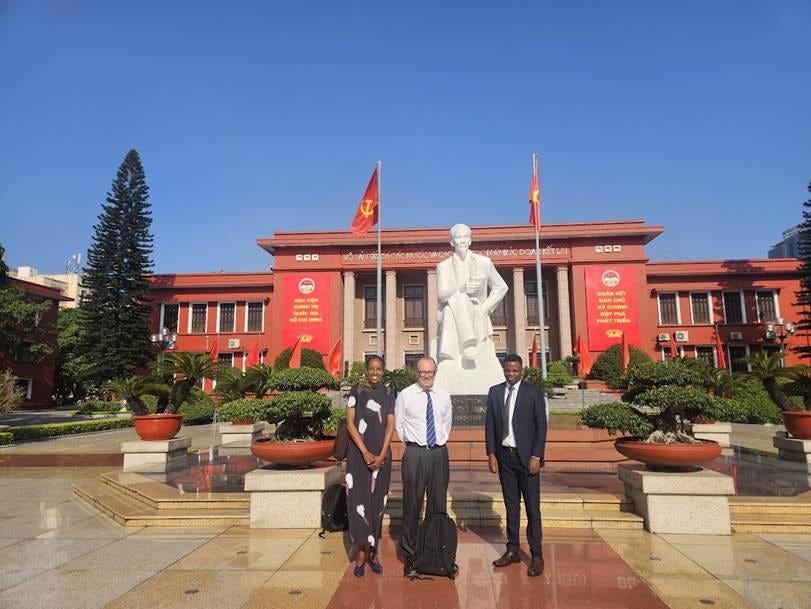
Me and my colleagues Maaza and Anthony with Uncle Ho
Living beyond means
It is quite common, certainly in my experience, for leaders in countries to set as their goal the country as a whole moving forward out of a particular income bracket by a certain date, whether it is moving from low to lower-middle income, or from lower to upper middle income, or finally moving up to become a high income country.
In some ways this is totally understandable as it is a simple way of delineating progress. But countries are not individuals, who are either rich or poor or somewhere in between. They are collections of millions and sometimes hundreds of millions of people with individual lives, aggregated in very different ways.
These country income thresholds, set by the World Bank, have a huge impact and influence. Access to different levels of support, whether it is grants or concessional lending from donors, is strongly linked to them.
But ultimately, they are averages, and averages are of limited use, especially in situations of high inequality, which is more likely than not the case in most countries of the Global South.
Equatorial Guinea for example, was a high-income country between 2007 and 2014. It has now slipped back into upper middle income. At one point during the euro crisis, it briefly had a higher per capita income than Spain. Yet throughout it has had infant mortality rates similar to Mozambique or Haiti and half the population live in poverty. Virtually all of its oil wealth has been captured basically by one ruling family.
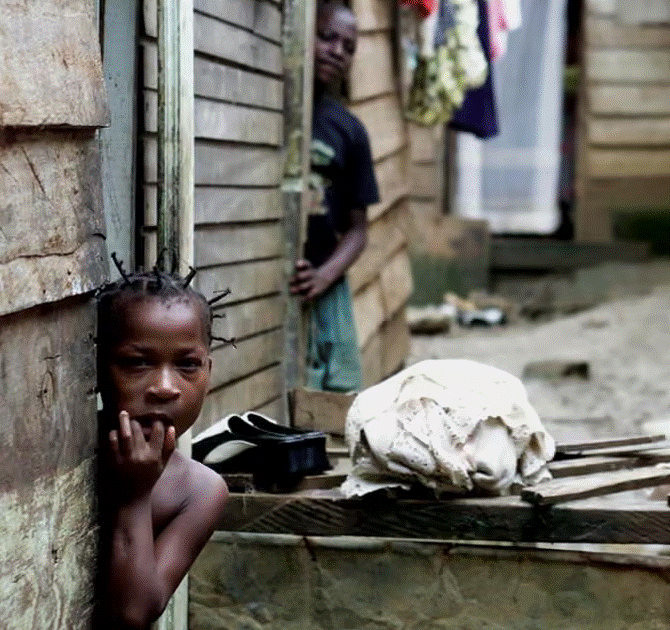
Poverty in Equatorial Guinea
The ‘K’ shaped economy discussion
This tyranny of averages has become news recently because of the discussion of the ‘K’ shaped recovery in the USA. 49% of all US consumption is by the top 10% of incomes. Whilst the top is booming, and this carries through to the overall growth rates and usual performance measures of the economy, ordinary people are struggling.
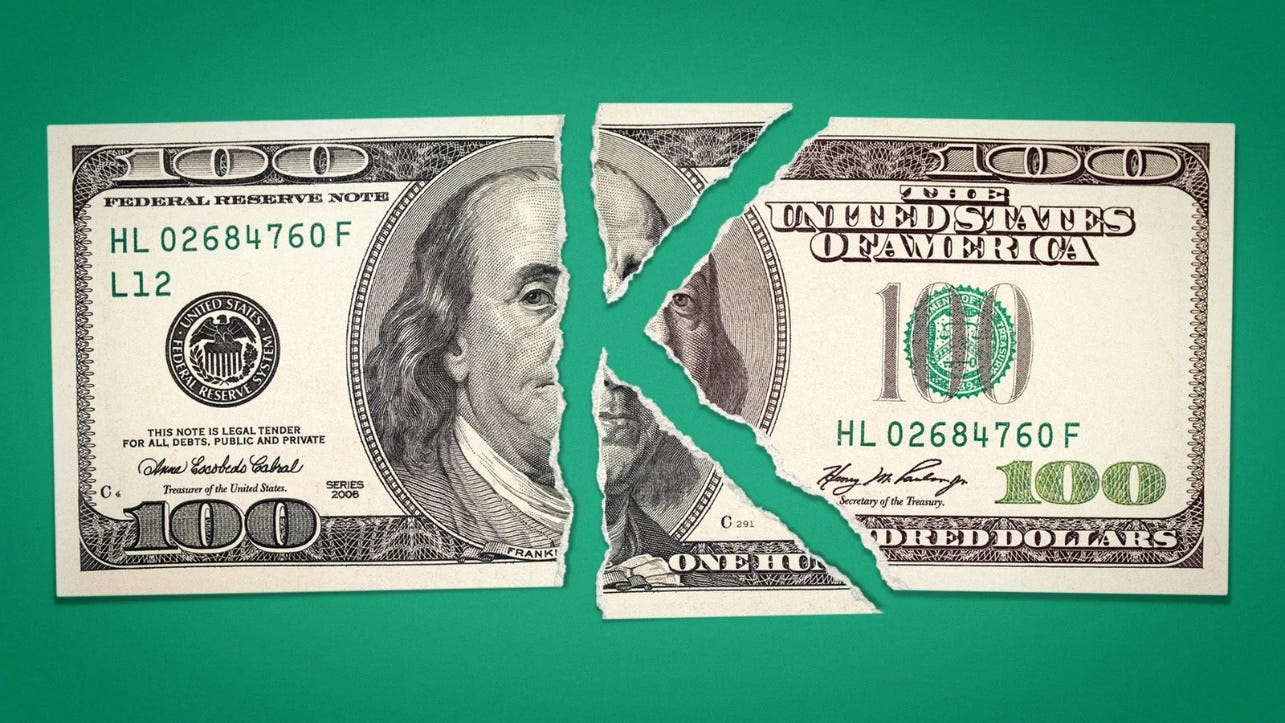
The K shaped economy and recovery is a hot topic in the US but relevant everywhere
Many of the economic measures we use first came into being in the rich world after WW2, with the greater availability of standard and regular national accounting statistics. This coincided with a period in the rich world of low inequality, which could be one of the reasons why problems with relying on national averages were not really a big thing. Sometimes in fact the incomes at the bottom were growing faster than the top so averages underplayed the progress being made.
The country classifications, into low, middle, and high, were made up by the World Bank, becoming fully formalised in the late 1980s. From the beginning they were criticised, and alternative measures proposed, perhaps the most successful being the Human Development Index (which measures health and education outcomes as well as income but is still based on averages). Nevertheless, like GDP growth, these thresholds have taken on a political life of their own.
Learning from the success of Vietnam
I was lucky enough to be in Vietnam late last month, talking with academics, students and policy makers, organised by my wonderful colleagues in Oxfam in Vietnam. Vietnam has a huge amount to be proud of. It has witnessed rapid and uninterrupted growth in GNI per capita, rising almost fivefold between 1995 and 2024, whilst at the same time keeping inequality at a reasonable level. Vietnam has a medium level of inequality, at a Gini of 0.35, similar to Germany, and below the World Bank threshold for high inequality, which is a Gini of 0.4. This combination of relative equality and high growth has translated into the elimination of extreme poverty, and a far better life for the huge majority of Vietnamese.
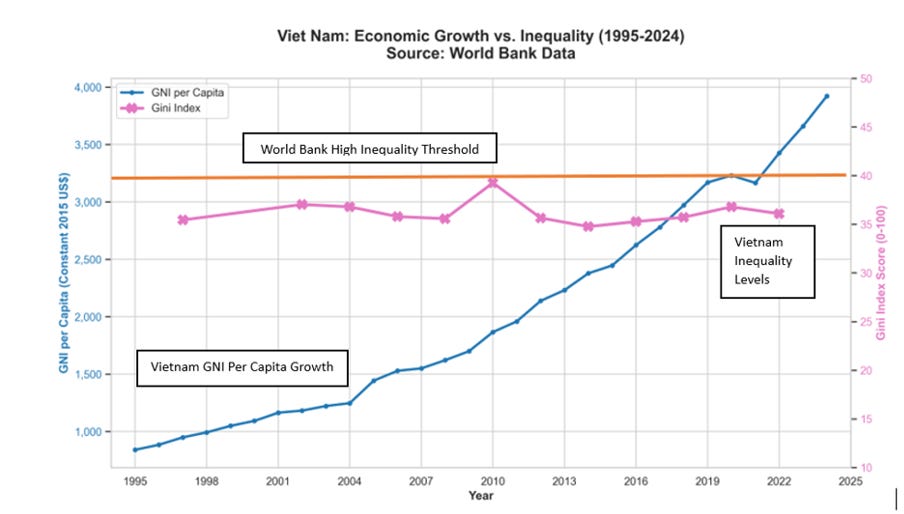
Vietnam- rapid progress in per capita GNI with inequality remaining fairly level.
However, by some measures, especially those measures of top incomes and wealth, Vietnam is becoming more unequal. Also, their equality is largely a product of the way the economy is structured before government intervention (this is known as ‘market inequality’)- whilst there have been big investments in education and in health in recent years, the redistributive impact of taxation and government spending on inequality remains relatively limited.
The Vietnamese government have a very clear goal to reach high income status, and to do this with double digit growth. Our key discussion on the visit was that in doing this, they need to work very hard too to keep inequality at manageable levels. Looking at the experience of other countries in the region, they have a clear choice of the path ahead. In preparing for our visit, my amazing colleague Anthony pulled together these charts- the first compares China with Korea, which is quite startling- you can see Korea reached high-income status whilst constantly maintaining inequality at a medium level. China by contrast saw a huge leap in income inequality, going from being one of the world’s most equal countries to having high inequality, on a par with the USA. It was not just Korea either, but also countries like Japan, Taiwan, Thailand- all grew rapidly whilst keeping inequality at a reasonable level.
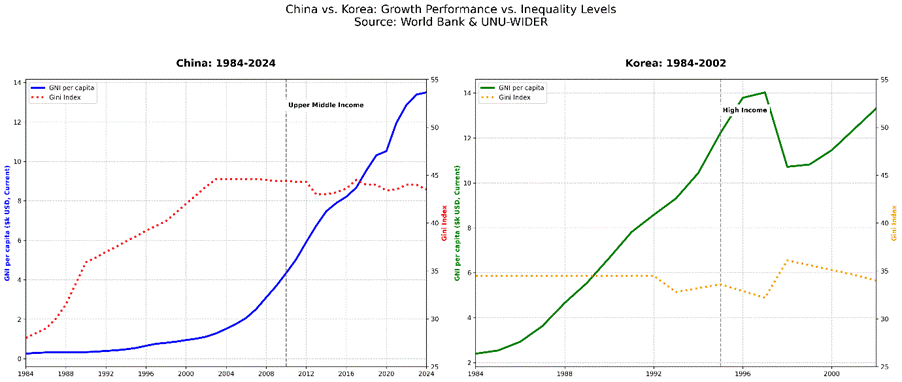
China and Korea- both had very rapid growth, but China GINI also rose very sharply
The second looks at Vietnam in comparison to four countries, Philippines, South Africa and Thailand.
Today the Philippines and Vietnam have very similar per capita average incomes, but poverty in the Philippines is three times higher because they have much higher inequality.
South Africa is upper-middle income, but famously also one of the most unequal countries in the world, so also remains with high levels of poverty. Conversely Thailand, which has broadly the same average income, has levels of poverty more than three times lower than South Africa.
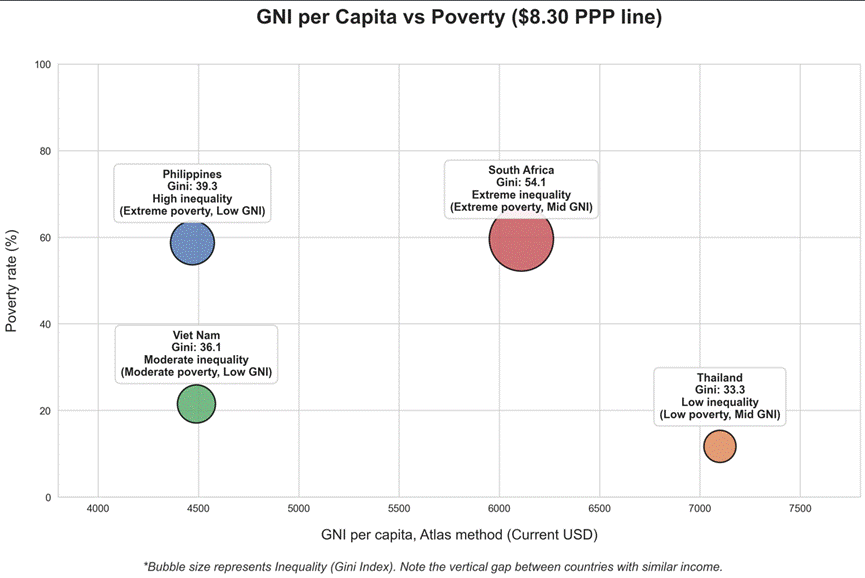
In short, it is quite possible to grow at the same time as managing inequality at a good level, and ideally at a Gini below 0.3, the World Bank threshold for low inequality.
This has huge political implications, as the discussion in the USA shows. The K shaped economy thesis could equally explain why Gen Z protests exploded in high inequality Kenya, despite robust economic growth for years and a steady progress towards the government target of reaching upper middle-income status by 2030.
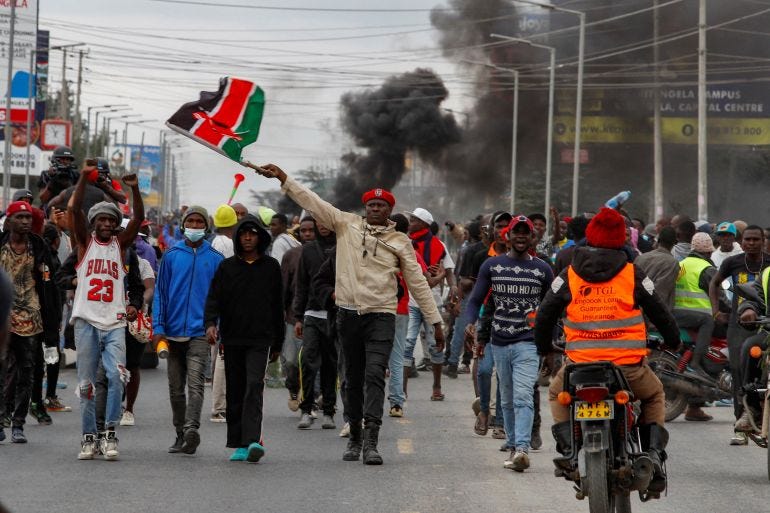
K is also for Kenya
If the majority of consumption is by those at the very top, then the economy, and the market is tailored towards them. The media often targets them as a result, and advertising definitely does by definition. Their lives dominate the films, the television we watch. It can sometimes feel like their lives are the only lives we know about or hear about. They are also much less exposed to rising food and energy prices. They also tend to be the ones in government and in power. It becomes rapidly a tale of two countries, and not one, and where the tale of the top is the only one that is told. This is I think not only a deeply unfair but also an unstable situation.
Ditching the averages
In short, using average incomes to define whether a country is poor or rich is convenient and easily understood, but it obscures as much as it illuminates. An average measure is useful broadly in proportion I would say to the level of inequality in a country, and in high inequality countries it is not very helpful at all. This is something that has long been the case in most of the Global South and is now once again becoming more the case in a number the rich countries of the Global North too.
We can start by much better and regular measurement of inequality too. Other combined measures, like the World Bank’s ‘prosperity gap’ measure are also very useful. There is no shortage of better ways to do this, and we need to use them.
It is time to live beyond means.